









Why Choosing the Right Sunglasses Matters
As spring brings brighter skies and warmer days, it also signals the arrival of summer. The sunshine becomes stronger, outdoor activities increase, and sunglasses quickly become one of the most essential fashion accessories of the season. More than just a stylish addition to your outfit, a quality pair of sunglasses protects your eyes from harmful UV rays, reduces glare, and makes outdoor experiences far more comfortable. Whether you are relaxing by the beach, walking through the city, or traveling during sunny weather, the right sunglasses can elevate both your comfort and your personal style throughout the summer. If you’re looking for more tips on selecting the right frames, explore our complete eyewear buying guide.
However, choosing sunglasses is not always simple. Once you enter an eyewear store, you are immediately faced with countless styles, materials, colors, and lens options. Some people prefer bold acetate frames with rich colors, while others are attracted to slim metal frames, lightweight titanium eyewear, or even natural horn glasses with luxurious textures. With so many choices available, finding the right pair can feel overwhelming.
The good news is that selecting sunglasses becomes much easier once you understand the key factors involved. By choosing step by step according to your face shape, skin tone, clothing style, frame size, and lens type, you can confidently find sunglasses that perfectly suit your appearance and lifestyle.
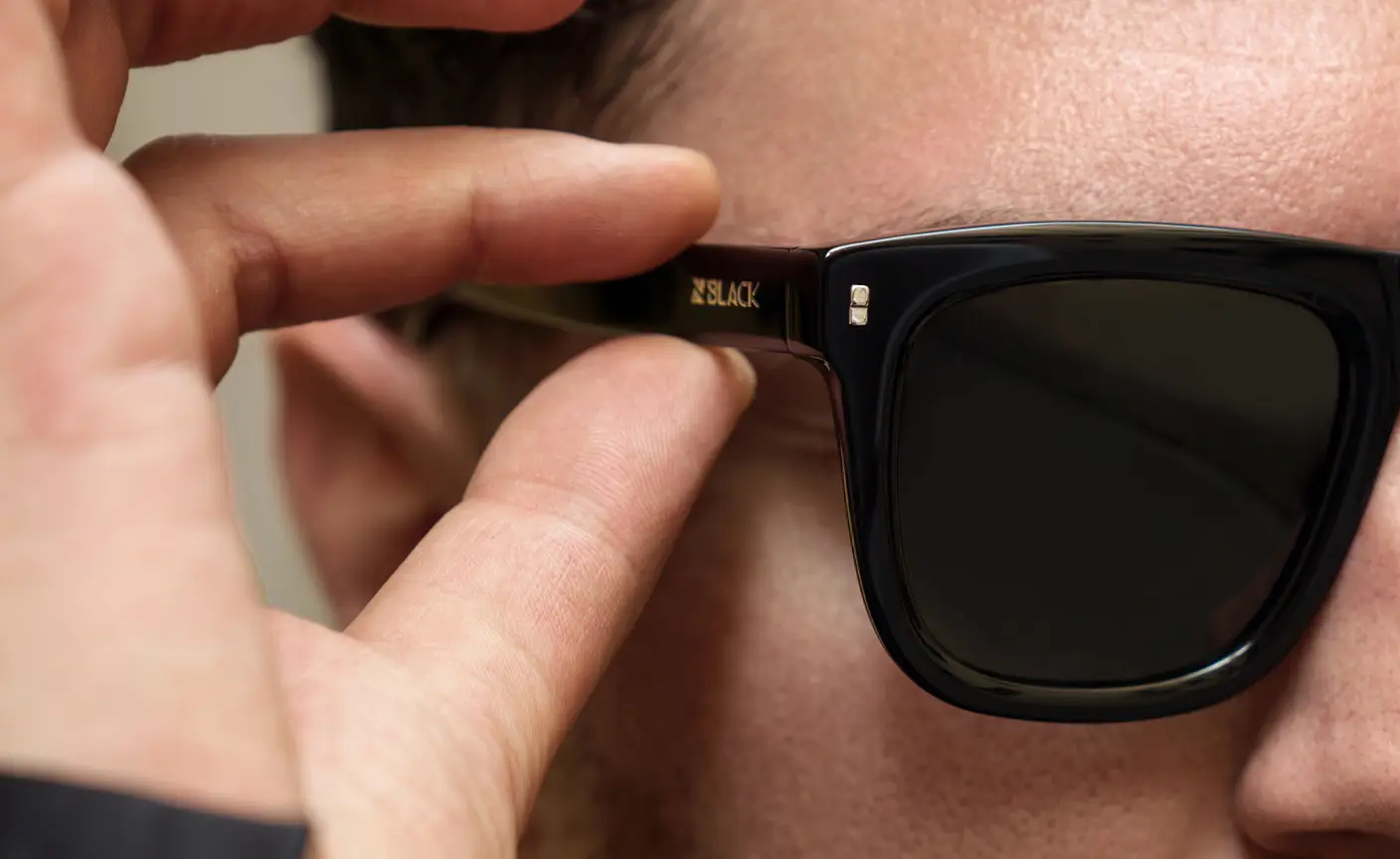
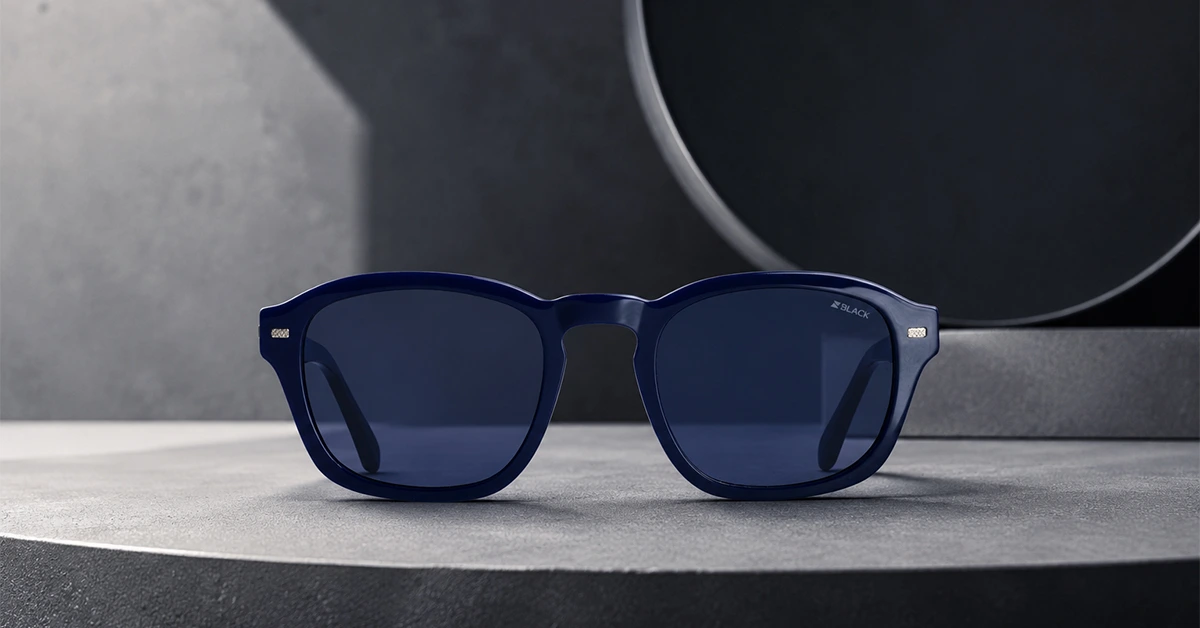
Below is an example of acetate sunglasses featuring gray UV-protection sun lenses and elegant gold metal temples.
Face Shape Is the Most Important Factor
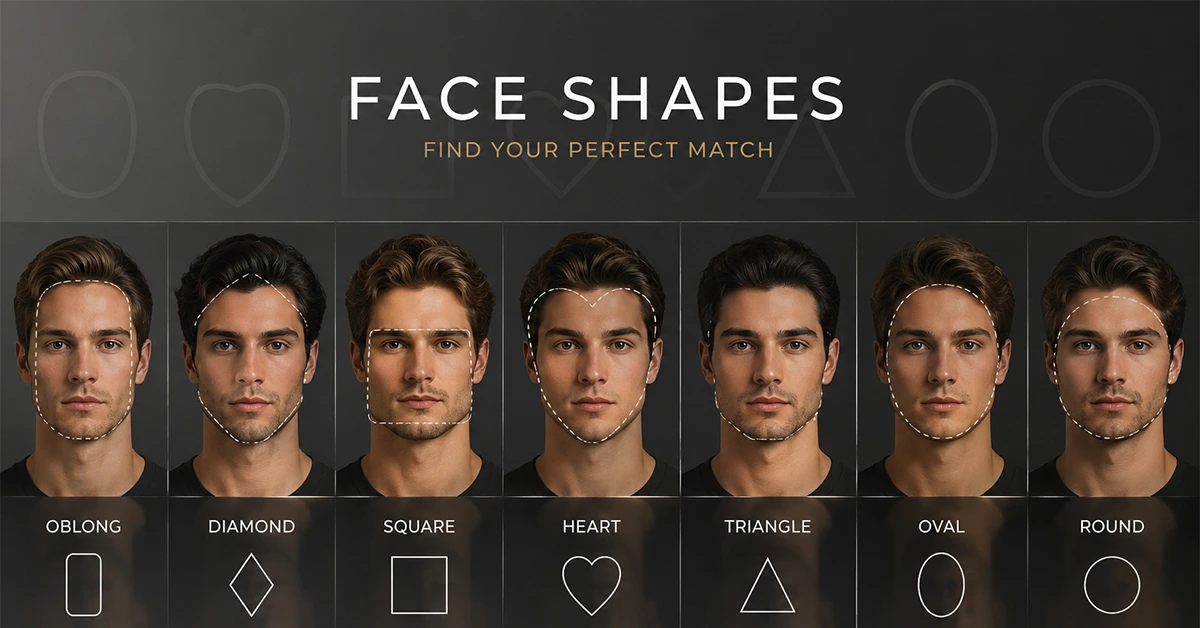
One of the first things to consider when buying sunglasses is your face shape. Different frame styles complement different facial structures, and choosing the correct shape can dramatically improve your overall appearance. Common face shapes include round, square, oval, rectangular, heart-shaped, triangular, and diamond-shaped faces.
Since every person’s facial proportions are unique, you do not need to find an exact match. Instead, identify the face shape that most closely resembles yours and choose frames that create balance and harmony.
Sunglasses for Round Faces
Round faces usually have soft curves with similar width and length proportions. The cheeks often appear fuller, and the face lacks strong angles. For this face shape, angular sunglasses work best because they add structure and contrast to softer facial lines.
Rectangular frames, geometric sunglasses, and polygon-shaped designs are excellent choices for round faces because they create a sharper and more defined appearance.
Sunglasses for Square Faces
Square faces feature a strong jawline, broad forehead, and defined facial angles. Because the facial structure already contains sharp lines, sunglasses with softer curves help create better visual balance.
Oval frames, round sunglasses, aviators, and cat-eye styles are all flattering choices for square faces. Rimless sunglasses can also soften strong facial features. In contrast, square or rectangular frames should generally be avoided because they can make the face appear even more angular and rigid.
Sunglasses for Rectangular Faces
Rectangular faces are usually longer than they are wide, with straight cheek lines and a taller forehead. To balance facial proportions, wider sunglasses are often the best option because they visually expand the face horizontally.
Oversized sunglasses with rounded edges work particularly well because they help reduce the appearance of facial length while creating a more balanced and fashionable look. Narrow square frames are usually less suitable since they can exaggerate the long structure of the face.
Sunglasses for Triangle Faces
Triangle-shaped faces typically feature a narrower forehead and a wider jawline. Because the lower part of the face is more prominent, softer frame shapes help create better proportion and harmony.
Round sunglasses and oval frames are especially suitable for triangle faces because they soften strong jawlines and reduce the appearance of sharp facial angles. These smoother shapes create a more elegant and balanced visual effect.
Sunglasses for Heart-Shaped Faces
Heart-shaped faces, also known as inverted triangle faces, are characterized by a wider forehead and a narrower pointed chin. This face shape naturally appears refined and attractive, but choosing the correct sunglasses can further enhance facial balance.
Round frames, oval sunglasses, and aviator styles are often ideal for heart-shaped faces because they soften the forehead area and complement the narrow chin. Highly angular frames should generally be avoided, as they can make the face appear sharper. Cat-eye sunglasses can also work beautifully when selected in balanced proportions.
Sunglasses for Diamond Faces
Diamond-shaped faces usually feature prominent cheekbones, a narrow forehead, and a slimmer chin. This face shape often appears highly defined and structured.
Oval sunglasses are one of the best choices for diamond faces because they soften facial lines and visually balance strong cheekbones. Rounded frames can also create a gentler and more elegant appearance while adding fullness around the temple area.
Choosing Sunglasses Based on Skin Tone
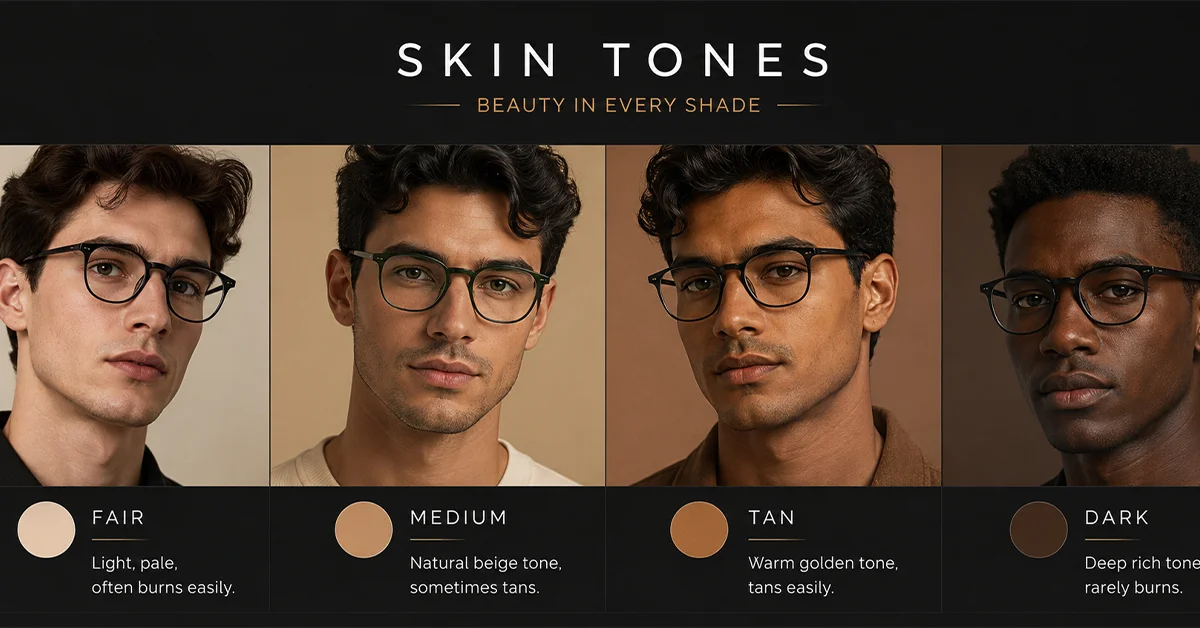
After identifying your face shape, the next step is selecting frame colors that complement your skin tone. Skin tone plays a major role in how sunglasses look on the face, and the right color can enhance your overall appearance significantly.
Fair Skin
People with fair skin often look great in bold and vibrant frame colors such as red, blue, pink, or dark black tones. These shades create contrast and help brighten facial features while adding energy and personality to the overall look.
Yellow or Warm Skin Tones
For warm or yellow-toned skin, softer metallic colors such as gold, rose gold, silver, and light blue often work very well. These colors help create a more balanced and natural appearance. Extremely dark or overly bright colors may sometimes make warm skin tones appear dull.
Dark Skin Tones
People with darker skin tones usually suit bold colors and metallic finishes beautifully. Gold, silver, red, and rich jewel tones can highlight skin texture and create a confident, fashionable appearance. Muted or pale colors are often less flattering because they reduce visual contrast.
Brown Skin Tones
Brown skin tones often pair especially well with earthy and warm colors such as rust, olive green, bronze, brown, and gold. Depending on individual undertones, cooler shades like blue, pink, or green can also look excellent. Neutral frame colors are always a safe and versatile choice if you are unsure which tones suit you best.
Match Sunglasses With Your Clothing Style
Sunglasses are not only functional eyewear — they are also an important fashion accessory. Choosing frames that match your clothing style can dramatically improve your overall image and personal aesthetic.
For example, sporty outfits often pair best with athletic or performance-inspired sunglasses, while elegant or formal clothing usually works better with classic or minimalist frame designs. Coordinating your sunglasses with your wardrobe helps create a more polished and stylish appearance.
Choosing the Correct Sunglasses Size
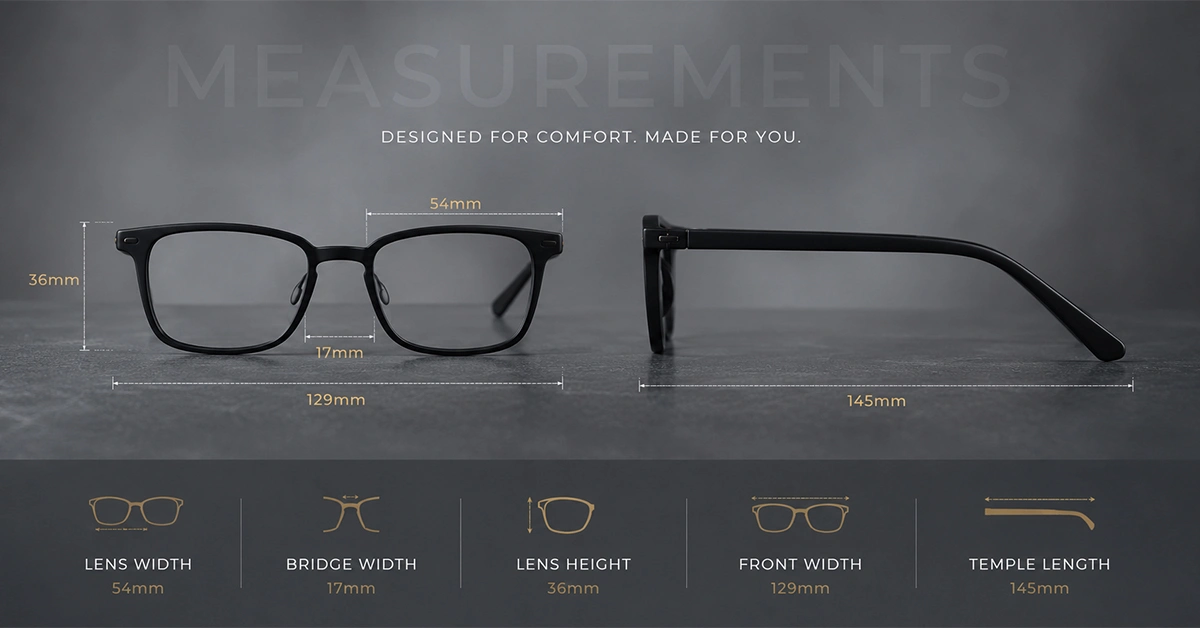
Frame size is another extremely important factor because it directly affects comfort, stability, and visual balance.
Lens Width
The lens width should generally align proportionally with the width of your face. Frames that are excessively wide or narrow may feel uncomfortable and appear visually unbalanced.
Bridge Width
The bridge width should fit comfortably on your nose without excessive pressure or slipping.
People with narrower noses typically require smaller bridge widths, while wider bridges provide more support for broader nose shapes.
Temple Length
Temple arms should comfortably reach behind the ears without pressing too tightly or extending too far. Proper temple length helps improve stability and wearing comfort throughout the day.
Understanding Different Types of Sun Lenses
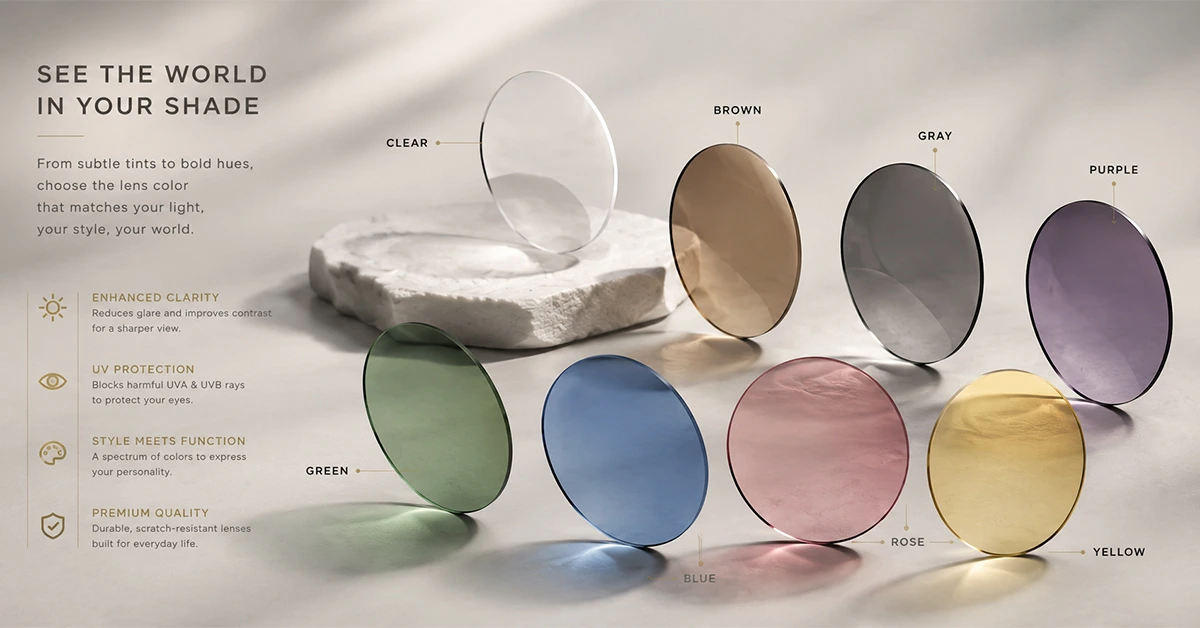
Lens technology is just as important as frame design when choosing sunglasses. Different lens colors, materials, and coatings provide different visual experiences and functional benefits.
Lens Colors
Gray lenses are among the most popular choices because they preserve natural color perception while reducing brightness effectively. They are versatile and suitable for most environments.
Blue-gray lenses offer similar benefits but typically provide darker shading and stronger light absorption, making them ideal for very bright conditions.
Brown lenses enhance contrast and help filter blue light, making them especially useful during cloudy or hazy weather.
Green lenses help reduce glare and eye fatigue while maintaining relatively natural color balance.
Yellow lenses increase contrast in low-light situations such as foggy weather or evening driving, although they do not significantly reduce brightness.
Lens Materials
Common sunglass lens materials include CR39, nylon, and glass. Modern eyewear rarely uses glass because it is heavier and less impact-resistant.
CR39 lenses provide excellent optical clarity and durability, while nylon lenses are valued for their flexibility, toughness, and lightweight comfort. Both materials are widely used in high-quality sunglasses.
Lens Functions and Protective Coatings
A good pair of sunglasses should always include UV protection to help block harmful ultraviolet rays. Higher-quality lenses may also include additional functional coatings such as anti-reflective layers, waterproof coatings, oil-resistant surfaces, and scratch-resistant treatments.
These advanced features improve comfort, durability, and visual performance, especially during travel and extended outdoor use. Understanding these lens technologies can help you select sunglasses that provide both superior protection and a better overall wearing experience. If you’re also looking for high-quality men’s eyewear, choosing premium frames with advanced lens technology can make a noticeable difference in both style and long-term comfort.