




Carbon Fiber Glasses: The Evolution of Advanced Eyewear Technology and Modern Fashion

The Evolution of Carbon Fiber Glasses
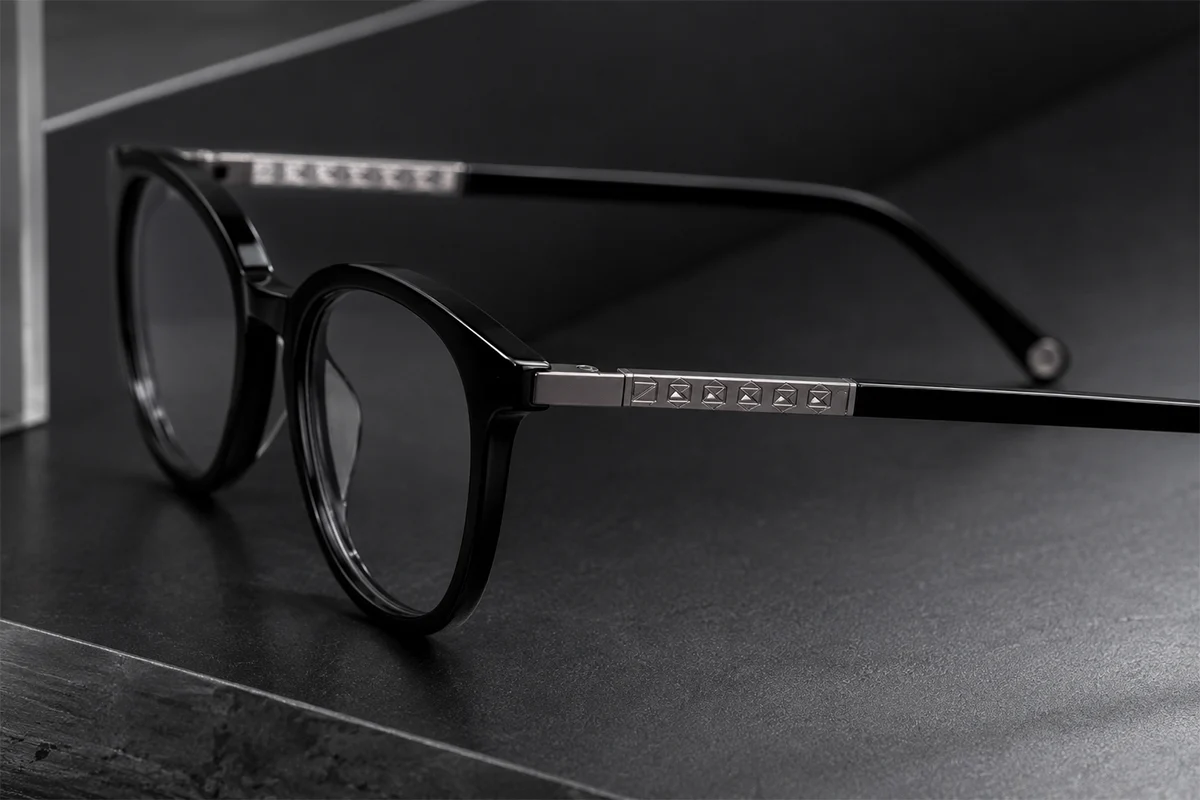
The development of carbon fiber glasses represents one of the most important innovations in modern eyewear manufacturing. More than simply becoming a fashion trend, carbon fiber frames have transformed the way glasses are designed, engineered, and experienced by consumers. By combining cutting-edge material technology with contemporary aesthetics, carbon fiber eyewear has introduced a completely new standard of comfort, durability, and performance.
Carbon fiber is a high-performance composite material composed primarily of carbon-based filaments bonded together with specialized resin systems. The material contains an extremely high percentage of carbon atoms, giving it exceptional rigidity while maintaining very low weight. Originally developed for industries requiring advanced structural materials, carbon fiber was first used in fields where strength, stability, and lightweight construction were critical. Over time, manufacturing processes became more refined, allowing carbon fiber to expand into premium consumer products, including luxury eyewear. If you’re planning to invest in premium frames, reading an ultimate guide to buying eyewear can help you understand which materials and frame features best match your lifestyle and visual needs.
Today, carbon fiber is widely used in aerospace engineering, automotive manufacturing, sports equipment, medical devices, industrial machinery, and advanced electronics. Its introduction into eyewear production marked a major turning point in the industry, enabling manufacturers to create frames that are both technically sophisticated and visually distinctive.
The Rise of Carbon Fiber in Eyewear
For many years, eyewear production relied primarily on acetate, stainless steel, aluminum alloys, and titanium. While these materials each offered unique advantages, they also presented limitations in terms of weight, flexibility, long-term durability, or design possibilities.
Carbon fiber changed this balance completely.
The material offers an extraordinary strength to weight ratio that traditional eyewear materials struggle to achieve. Carbon fiber frames can remain exceptionally lightweight while maintaining outstanding structural stability. This allows manufacturers to create thinner, lighter, and stronger frames without sacrificing comfort or durability.
The emergence of carbon fiber glasses also reflects the growing demand for technologically advanced fashion products. Modern consumers increasingly seek products that combine functionality with sophisticated design. Carbon fiber satisfies both requirements by delivering high-performance engineering alongside a sleek, modern appearance.
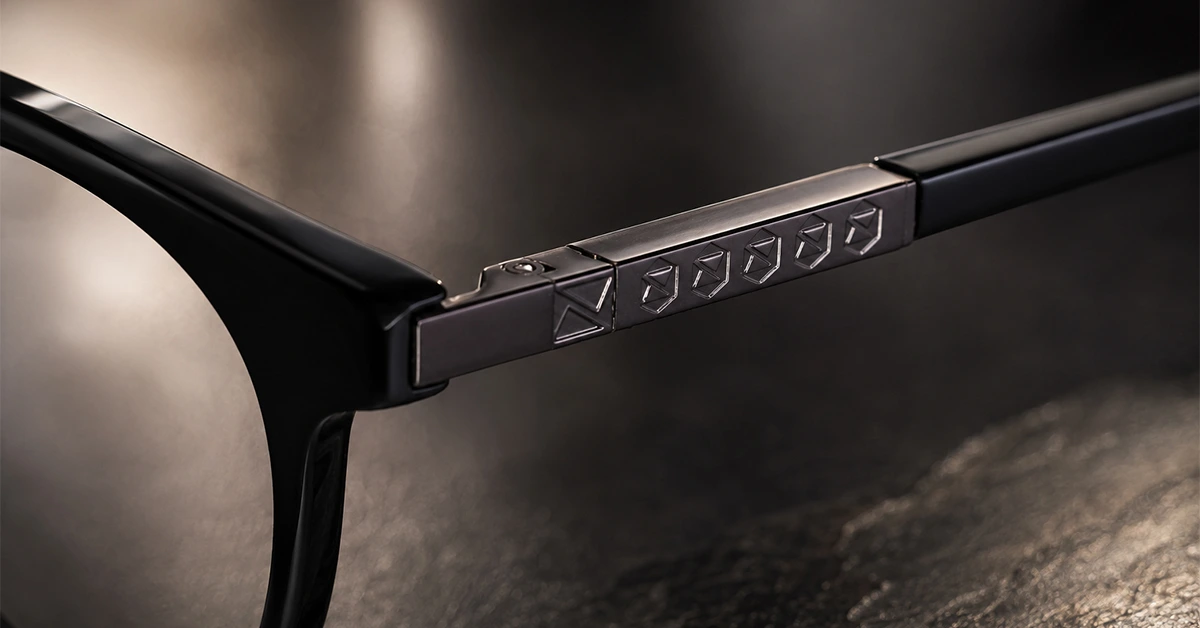
The woven texture and matte finish associated with carbon fiber create a futuristic visual identity that appeals to consumers looking for premium and innovative eyewear.
Why Carbon Fiber Glasses Are Considered Revolutionary
Carbon fiber eyewear introduced several advantages that significantly improved the overall user experience.
Ultra-Lightweight Comfort
One of the most noticeable benefits of carbon fiber frames is their extremely low weight. Some carbon fiber glasses weigh only a few grams, making them among the lightest frames available in the eyewear market.
Traditional acetate or metal frames may create pressure around the nose bridge, ears, and temples during extended use. Heavy glasses can cause discomfort, fatigue, skin marks, and irritation after several hours of wear.
Carbon fiber dramatically reduces these problems because the lightweight structure distributes pressure more evenly across the face. Users often experience significantly improved comfort, especially during long working hours, driving, reading, or screen use.
The reduction in weight also improves overall balance and stability, helping the glasses remain properly positioned throughout daily activities.
Improved Stability and Optical Alignment
One common issue with heavier glasses is slipping. Frames that constantly slide downward can affect lens alignment and force wearers to repeatedly adjust their glasses.
Carbon fiber frames help minimize this problem. Because they are lighter and often designed with more advanced structural engineering, they tend to remain stable during movement. Whether walking, exercising, bending forward, or turning quickly, properly fitted carbon fiber glasses are less likely to shift position.
Maintaining stable lens positioning is particularly important for prescription eyewear because consistent optical alignment improves visual clarity and reduces eye strain.
Strength and Structural Performance
Carbon fiber is widely known for its exceptional mechanical properties. Despite its lightweight nature, the material provides remarkable strength and rigidity.
The internal woven fiber structure distributes force efficiently, helping the frame resist deformation under normal daily use. Compared with many conventional materials, carbon fiber is better able to maintain its original shape over time.
This makes carbon fiber glasses highly suitable for users seeking durable eyewear capable of handling active lifestyles, frequent travel, and long-term use.
However, carbon fiber also behaves differently from traditional materials. While it offers excellent rigidity and tensile strength, excessive bending or concentrated impact may damage the resin matrix or cause fiber separation. Proper handling and maintenance therefore remain extremely important.
Corrosion Resistance and Environmental Protection
Another major advantage of carbon fiber glasses is their resistance to environmental conditions.
Sweat and Moisture Resistance
Traditional metal frames may gradually corrode when exposed to sweat, humidity, or skin oils over long periods. Carbon fiber itself is highly resistant to corrosion, making it particularly suitable for warm climates, sports use, and outdoor environments.
Heat Resistance
Carbon fiber also demonstrates excellent thermal stability compared with many plastic materials. Although prolonged exposure to extreme temperatures should still be avoided, carbon fiber generally maintains structural stability under a wider range of environmental conditions.
Chemical Stability
The material is chemically stable and generally non-reactive with human skin. Carbon fiber frames are often considered suitable for individuals sensitive to certain metals or coatings used in conventional eyewear.
Carbon Fiber Glasses vs. Fiber Glasses
Many consumers confuse carbon fiber glasses with ordinary fiber glasses because both belong to the broader category of reinforced composite materials. However, there are significant differences between the two materials in terms of composition, strength, appearance, manufacturing complexity, and cost.
Material Composition Differences
Carbon Fiber
Carbon fiber consists of thin carbon-based filaments with extremely high tensile strength and rigidity. The material is engineered for high-performance structural applications where lightweight durability is essential.
Glass Fiber
Glass fiber is produced by drawing molten glass into fine fibers. Although glass fiber also provides good strength and flexibility, its structural performance is generally lower than that of carbon fiber.
Carbon fiber offers superior stiffness, lower thermal expansion, and higher overall mechanical performance.
Performance Comparison
Rigidity
Carbon fiber is significantly more rigid than glass fiber. It resists elastic deformation more effectively and maintains shape under pressure.
Tensile Strength
High-grade carbon fiber can achieve extremely high tensile strength while remaining lightweight. Glass fiber provides good strength but generally cannot match the advanced mechanical performance of premium carbon fiber composites.
Impact Resistance and Durability
Both materials perform well under different conditions. Glass fiber may demonstrate better flexibility in some situations, while carbon fiber typically offers longer-lasting structural stability and superior resistance to deformation.
Conductivity
Carbon fiber possesses electrical conductivity, while glass fiber is typically non-conductive. This distinction becomes important in certain technical and industrial applications.
Manufacturing Complexity of Carbon Fiber Glasses
Producing high-quality carbon fiber eyewear is far more complicated than manufacturing standard acetate or metal frames.
The process may include:
- Carbon fiber weaving
- Resin impregnation
- Layered prepreg construction
- High-pressure molding
- High-temperature curing
- CNC precision cutting
- Hand polishing
- Surface coating and finishing
Each stage requires careful control of temperature, pressure, and curing time to preserve structural integrity.
A single pair of advanced carbon fiber glasses may require many hours of precision manufacturing. Because of these technical challenges, only a limited number of manufacturers possess the expertise necessary to produce complex, high-quality carbon fiber frames.
This complexity is one of the main reasons carbon fiber glasses often occupy the premium segment of the eyewear market.
Appearance and Aesthetic Characteristics
Carbon fiber has a distinctive visual identity that immediately differentiates it from other frame materials.
Texture and Surface
The woven fiber pattern creates a unique textured appearance that feels technical, modern, and luxurious. Depending on the finishing method, the surface may appear matte, satin, or slightly glossy.
Color
Carbon fiber typically appears black, charcoal gray, or dark metallic. Some finishes may reveal subtle reflections from the woven fibers beneath the resin coating.
Glass fiber, by comparison, usually appears lighter, smoother, and more translucent.
Design Possibilities
Because carbon fiber can be layered and combined with other materials, designers can create highly innovative structures and visual effects.
Hybrid Carbon Fiber Eyewear Designs
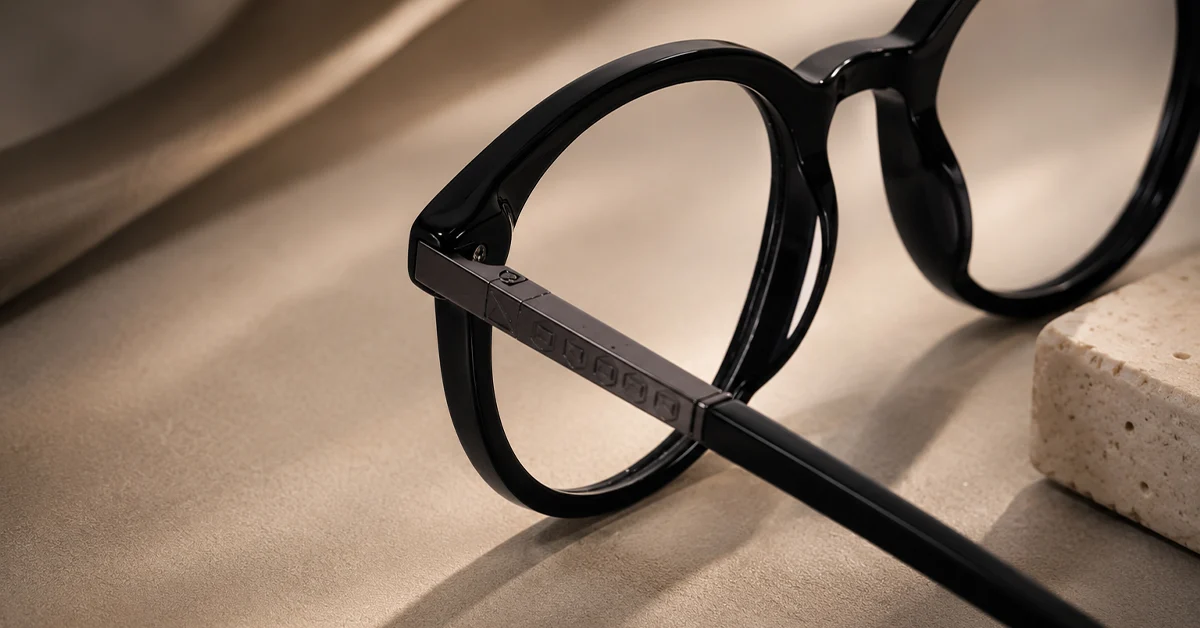
Modern premium eyewear rarely relies on a single material alone. Many advanced carbon fiber frames combine multiple materials to improve flexibility, aesthetics, and wearing comfort.
Common combinations include:
- Carbon fiber with titanium
- Carbon fiber with acetate
- Carbon fiber with stainless steel
- Carbon fiber with natural wood
- Carbon fiber with memory alloys
These hybrid constructions allow designers to combine the technical performance of carbon fiber with the flexibility, warmth, or decorative qualities of other materials.
For example:
- Titanium temples may improve flexibility and reduce pressure.
- Acetate accents may add color and visual softness.
- Wood elements may create a more natural, handcrafted appearance.
This combination of materials creates eyewear that feels both technologically advanced and artistically refined.
How to Maintain Carbon Fiber Glasses Properly
Because carbon fiber is a specialized composite material, proper maintenance is essential for preserving both appearance and structural performance.
Correct Daily Usage
Carbon fiber frames should never be bent excessively or subjected to uneven pressure.
Glasses should always be removed using both hands to avoid stressing the hinges and temple connections.
During sports or outdoor activities, straps or anti-slip accessories can help prevent accidental drops and impacts.
Avoid Extreme Environments
High Temperatures
Leaving carbon fiber glasses inside hot vehicles or near heating equipment may gradually damage the resin layer and affect frame stability.
Chemical Exposure
Alcohol, perfume, sunscreen spray, and industrial solvents may damage the surface coating or discolor the frame over time.
Humidity
Although carbon fiber resists corrosion, metal hinges and screws should still be protected from excessive moisture.
Proper Cleaning Methods
The surface coating of carbon fiber frames requires gentle cleaning methods.
Recommended cleaning tools include:
- Microfiber cloths
- Soft brushes
- Air blowers
- Neutral eyewear cleaning sprays
Dust should always be removed before wiping to prevent scratches.
Circular rubbing motions should be avoided because they may create fine surface marks over time.
Professional Maintenance and Repairs
Periodic professional inspection can help maintain:
- Hinge alignment
- Screw tightness
- Structural balance
- Surface finish quality
If cracks or fractures occur, household glue should never be used. Carbon fiber repair requires specialized epoxy systems and pressure-curing techniques to restore structural integrity properly.
Cost and Long-Term Value
Carbon fiber glasses are generally more expensive than standard eyewear because of:
- Advanced raw materials
- Specialized manufacturing equipment
- Precision engineering
- Labor-intensive finishing
- Technical expertise requirements
However, many users consider carbon fiber eyewear a long-term investment due to its durability, comfort, lightweight feel, and premium appearance.
With proper care, high-quality carbon fiber glasses can maintain their appearance and performance for many years.
The Future of Carbon Fiber Eyewear
The increasing popularity of carbon fiber glasses reflects the broader evolution of modern consumer products toward advanced materials and intelligent engineering.
Future developments may include:
- More flexible carbon fiber structures
- Smart eyewear integration
- Sustainable manufacturing methods
- Ultra-light hybrid materials
- Enhanced customization technologies
As material science and eyewear manufacturing continue to evolve, carbon fiber is expected to play an even greater role in shaping the future of premium eyewear design.
Carbon fiber glasses are no longer simply a luxury niche product. They represent the fusion of engineering innovation, advanced materials, modern aesthetics, and personalized comfort—bringing eyewear technology into a new era. As the industry continues to evolve, advances in modern eyewear engineering will play an increasingly important role in shaping the next generation of high-performance eyewear