








Introduction: Why Choosing the Right Glasses Matters
Eyeglasses are among the few products people use every day for many years. They are not only visual aids but also fashion accessories, personal statements, and lifestyle products. A well-chosen pair of glasses can improve vision, enhance facial features, increase confidence, and provide long-term comfort. On the other hand, poorly chosen eyewear can cause discomfort, visual fatigue, and dissatisfaction regardless of how attractive the frame may look.
Many consumers focus primarily on appearance when shopping for glasses. While style is important, it is only one factor among many. Frame shape, material, size, lens technology, weight, durability, and maintenance all contribute to the overall wearing experience.
Understanding these factors allows buyers to make informed decisions and select eyewear that matches their visual needs, face shape, lifestyle, and personal preferences.

Understanding the Relationship Between Eyewear and Personal Style
One of the reasons glasses have remained popular for centuries is their ability to transform appearance. Unlike many accessories, eyewear sits directly on the face and immediately attracts attention. The right frame can communicate professionalism, creativity, elegance, confidence, or individuality.
Fashion trends in eyewear change over time, but certain principles remain consistent. Frame proportions influence facial balance, colors affect visual impressions, and materials contribute to both aesthetics and comfort.
Many people own multiple pairs of glasses for different occasions. A lightweight titanium frame may be ideal for business meetings, while a bold acetate frame may better suit social events. Sunglasses, sports eyewear, and reading glasses further expand the role of eyewear in everyday life.
The growing popularity of eyewear as a fashion item has also encouraged manufacturers to develop innovative materials, advanced surface treatments, and increasingly sophisticated frame designs.
How to Choose a Frame Shape
Selecting a frame shape is often the first step in purchasing eyewear. Different frame designs create different visual effects and complement different facial features.
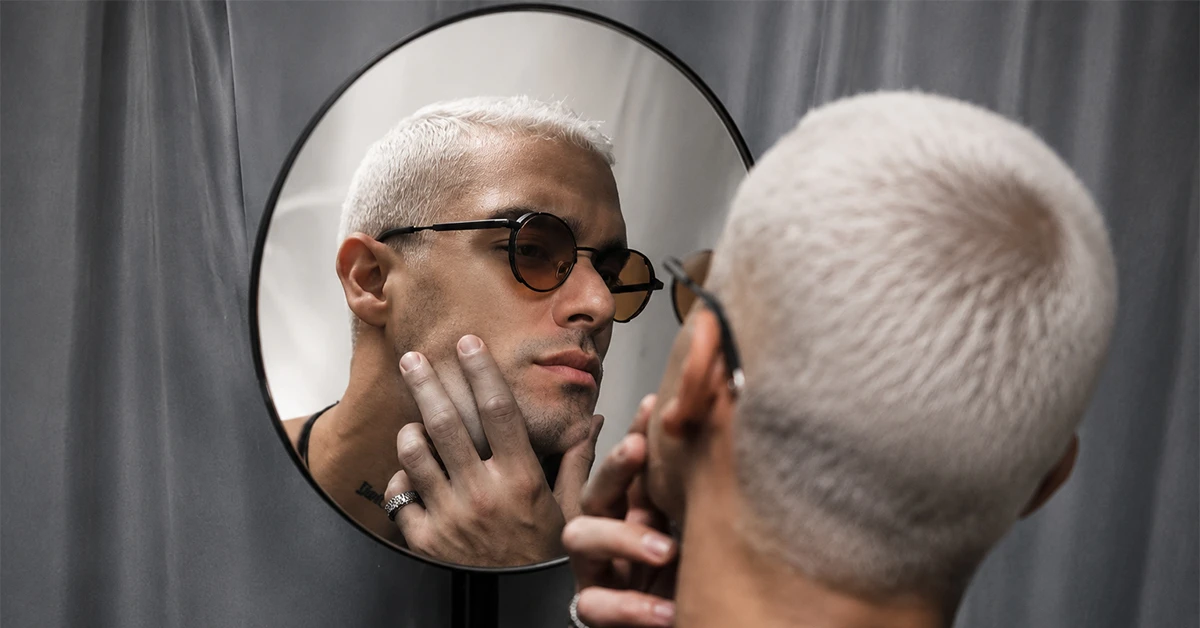
Round Frames
Round frames have been worn for generations and continue to remain popular because of their timeless appearance. Their curved lines create a softer visual impression and can help balance angular facial features.
People with square or rectangular faces often benefit from round frames because they reduce the prominence of sharp jawlines and strong cheekbones. Round frames are frequently associated with creativity, intelligence, and artistic expression.
Modern round frames range from small vintage-inspired designs to oversized fashion-forward styles.
Oval Frames
Oval frames share many characteristics with round frames but offer slightly more structure. They are versatile and suitable for various face shapes.
Because oval frames do not contain strong angles, they create a gentle and approachable appearance. Many wearers appreciate their understated elegance and comfortable visual balance.
Oval designs are particularly effective for individuals seeking a classic look that remains stylish regardless of changing fashion trends.
Square Frames
Square frames are characterized by straight lines and defined corners. These features create a strong and confident appearance.
Individuals with round faces often choose square frames because they add visual structure and make facial proportions appear more balanced. Square frames are commonly associated with professionalism and are frequently seen in business environments.
Depending on the design, square frames can range from minimalist and modern to bold and fashion-oriented.
Rectangular Frames
Rectangular frames provide a more elongated appearance than square frames. They are particularly useful for round or wider faces because they create the illusion of additional length.
Many professional eyewear collections incorporate rectangular designs due to their clean and sophisticated appearance.
These frames also tend to provide a wider field of vision compared to some smaller frame styles.
Cat-Eye Frames
Cat-eye frames are distinguished by their upward-sweeping outer corners. First popularized in the mid-20th century, they continue to be one of the most recognizable women’s eyewear styles.
The shape naturally draws attention upward, creating a lifting effect that many wearers find flattering. Cat-eye frames can add personality, elegance, and a sense of individuality.
Modern interpretations range from subtle and refined to dramatic and highly decorative.
Aviator Frames
Originally developed for pilots, aviator frames have become a global fashion icon.
These frames typically feature large lenses, thin metal rims, and a distinctive double bridge. Their design offers excellent coverage and a classic appearance that appeals to both men and women.
Aviators are especially popular in sunglasses collections but are increasingly used for optical eyewear as well.
Geometric Frames
Geometric frames include hexagonal, octagonal, and other unconventional shapes. They appeal to consumers seeking something different from traditional eyewear.
Because geometric frames combine angular and curved elements, they can complement a wide variety of face shapes while creating a modern and distinctive look.
Their popularity has grown significantly in recent years due to the increasing demand for unique eyewear designs.

Browline Frames
Browline frames emphasize the upper portion of the frame, visually mimicking the natural brow line.
This design creates a sophisticated appearance and has remained popular for decades. Browline frames are often associated with intelligence, professionalism, and classic style.
The combination of metal and acetate components frequently used in browline designs creates an attractive balance between vintage and contemporary aesthetics.
Understanding Frame Materials
The material used to manufacture a frame directly influences its weight, flexibility, durability, and appearance.
Acetate
Acetate is one of the most widely used premium eyewear materials.
Unlike standard injection-molded plastics, acetate is produced from plant-derived cellulose and allows manufacturers to create rich colors, layered patterns, and luxurious finishes.
Acetate frames are comfortable, durable, and highly customizable, making them a favorite among fashion brands.
Titanium
Titanium is considered one of the finest materials available for eyewear manufacturing.
Its primary advantages include:
- Exceptional strength
- Extremely low weight
- Corrosion resistance
- Hypoallergenic properties
- Long-term durability
Titanium frames are especially suitable for consumers with sensitive skin or those who wear glasses for extended periods every day.
Stainless Steel
Stainless steel provides an excellent balance between durability and affordability.
Compared with titanium, it is slightly heavier but remains highly resistant to corrosion and everyday wear. Stainless steel is frequently used in both optical frames and sunglasses.
Its versatility allows manufacturers to produce a wide range of designs and finishes.
Memory Metal
Memory metal alloys can return to their original shape after being bent or twisted.
This flexibility makes them ideal for active lifestyles and situations where durability is particularly important.
Many children’s frames and sports-oriented eyewear products incorporate memory metal technology.
TR90 and Advanced Polymers
TR90 is a lightweight thermoplastic material known for flexibility and impact resistance.
Frames produced from TR90 are comfortable, durable, and suitable for sports activities. Their ability to withstand daily wear makes them particularly popular among active consumers.
Sustainable Materials
Environmental awareness has encouraged manufacturers to explore eco-friendly alternatives.
These include:
- Bio-based acetate
- Recycled plastics
- Renewable natural materials
- Plant-derived composites
Sustainable eyewear continues to gain popularity among environmentally conscious consumers.
Understanding the Parts of a Pair of Glasses
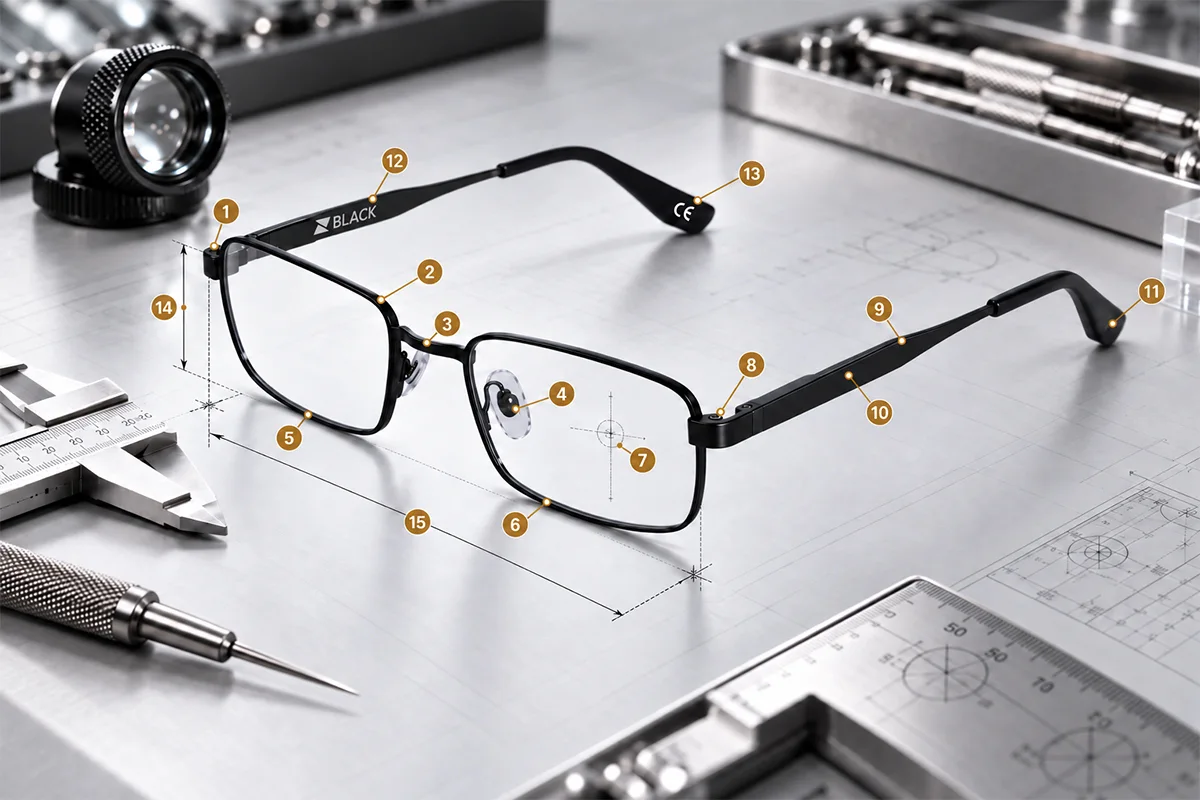
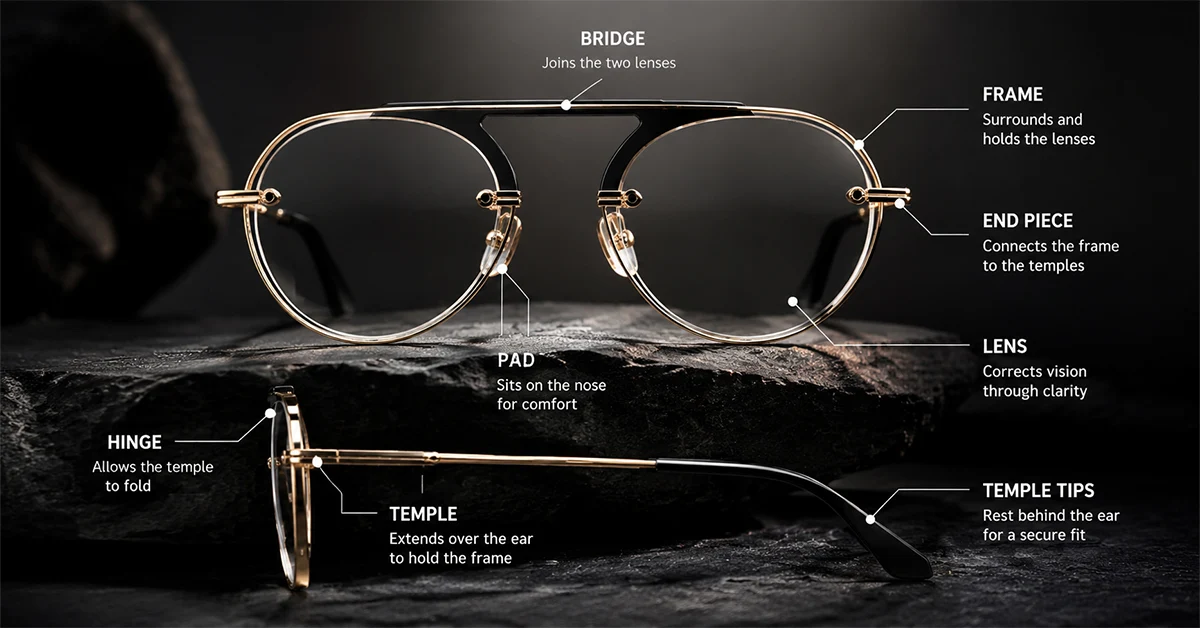
A typical pair of glasses contains numerous components that work together to provide comfort and functionality.
Frame Front
The frame front holds the lenses and determines the overall appearance of the glasses.
Its design influences both aesthetics and structural stability.
Bridge
The bridge connects the two lens areas and rests on the nose.
A properly designed bridge distributes weight evenly and contributes significantly to comfort.
Nose Pads
Nose pads help support the frame and improve fit.
Adjustable nose pads allow customization for different nose shapes and facial structures.
End Pieces
End pieces connect the frame front to the temples and reinforce structural integrity.
Hinges
Hinges allow the temples to fold and unfold smoothly.
High-quality hinges improve durability and reduce wear over time.
Temples
Temples extend from the frame to the ears and help secure the glasses in position.
Their length and flexibility influence comfort and stability.
Temple Tips
Temple tips contact the area behind the ears and help prevent slipping.
Soft materials are often used to increase comfort.
Lenses
Lenses are the optical components responsible for vision correction and eye protection.
They represent the most important functional part of any pair of glasses.
Understanding Eyewear Sizing
Proper sizing is essential for comfort and visual performance.
The most common measurements include:
- Lens Width
- Bridge Width
- Temple Length
- Lens Height
- Overall Frame Width
A frame that is too large may slide down frequently. A frame that is too small may create pressure points and discomfort.
Most eyewear sizes are printed inside the temple.
For example:
52□18-145
52 = Lens Width (mm)
18 = Bridge Width (mm)
145 = Temple Length (mm)
Understanding these measurements helps consumers identify frames that fit consistently across different brands.
Lens Materials and Technologies
Modern lens technology has advanced significantly over the past few decades.
Standard Plastic Lenses
Lightweight and affordable, these remain the most common lens type worldwide.
Polycarbonate Lenses
Polycarbonate lenses are highly impact resistant and suitable for children, athletes, and safety applications.
High-Index Lenses
Designed for stronger prescriptions, high-index lenses reduce thickness and weight while maintaining excellent optical performance.
Glass Lenses
Although less common today, glass lenses offer exceptional optical clarity and scratch resistance.
Lens Designs
Single Vision Lenses
Designed to correct one viewing distance.
Progressive Lenses
Provide seamless correction for near, intermediate, and distance vision.
Occupational Lenses
Optimized for office work and computer use.
Photochromic Lenses
Automatically darken in sunlight and become clear indoors.
Polarized Lenses
Reduce glare and improve visual comfort in bright outdoor environments.
Lens Coatings
Modern coatings enhance performance and durability.
Common options include:
- Anti-reflective coating
- Scratch-resistant coating
- UV protection
- Hydrophobic coating
- Oleophobic coating
- Anti-static coating
- Blue-light filtering coating
The right combination depends on lifestyle and usage requirements.
Caring for Your Glasses
Proper maintenance extends the lifespan of eyewear.
Cleaning
Always rinse lenses before wiping.
Use lens cleaning solution or mild soap and water.
Dry with a microfiber cloth.
Storage
Store glasses in a protective case when not in use.
Avoid placing lenses face-down on hard surfaces.
Handling
Use both hands when putting on or removing glasses.
Avoid excessive force on hinges and temples.
Heat Protection
Do not leave glasses in hot vehicles or near heat sources.
Excessive heat can damage both frames and lenses.
Professional Adjustments
Visit an optical professional periodically for cleaning, alignment, and adjustments.
Small corrections can greatly improve comfort and extend frame life.
Final Thoughts
Choosing eyewear involves much more than selecting an attractive frame. The ideal pair combines style, fit, lens performance, durability, and comfort. By understanding frame shapes, materials, sizing principles, lens technologies, and maintenance practices, consumers can make informed decisions and enjoy better vision and greater satisfaction from their eyewear investment.
A quality pair of glasses should not only help you see clearly—it should complement your appearance, support your daily activities, and remain comfortable for years of use.